

Trading Using Signals – How Does It Work?
Introduction
In the complex world of investing, trading signals serve as vital tools that help traders make informed decisions. They combine various indicators, analytics, and trading algorithms to suggest whether to buy or sell a particular asset. Understanding how trading signals work can significantly enhance your trading capabilities, keeping you a step ahead in the ever-dynamic markets. This blog post will guide you through the essentials of trading signals, their benefits, potential drawbacks, and how to integrate them into your trading strategy.
Navigating the World of Trading Signals
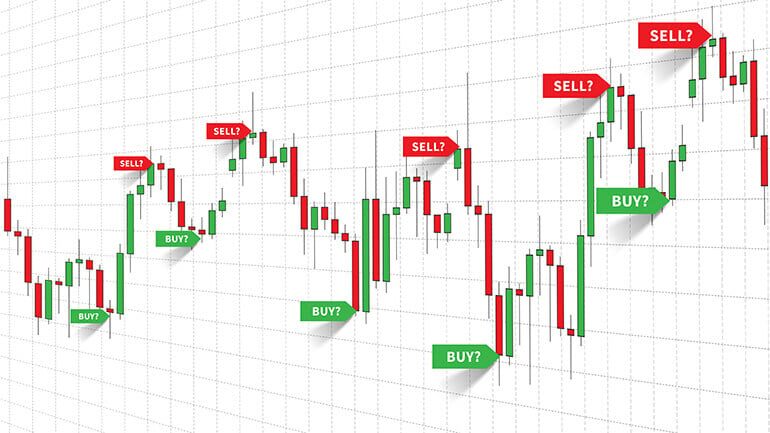
Trade signals are essentially indicators that suggest potential actions in the financial markets. They are derived from a variety of data points, including market trends, price actions, and sometimes economic events. The main purpose is to provide traders with actionable insights that can inform their buy or sell decisions. These signals cover a wide range of assets, from stocks to forex and cryptocurrencies, offering guidance that can be tailored to different trading strategies.
There are various types of signals, such as entry signals, which indicate the optimal time to buy an asset, and exit signals, recommending the best time to sell. Accurate forex signals can be generated using different methods including technical analysis, which focuses on statistical trends from trading activities, or fundamental analysis that examines financial statements and market conditions. Understanding these basics can empower you to leverage signals effectively, aligning your trades with market movements.
The Mechanics Behind Trading Signals
Types of Trading Signals: Manual vs. Automated
Trading signals can be broadly categorized into manual and automated types, each with its distinct advantages and considerations.
Manual Signals are generated by experienced traders or analysts who interpret market data to craft specific buy or sell recommendations. These signals often depend on the trader’s intuition, experience, and expertise, allowing for a personalized approach. However, manual signals can be time-consuming and are subject to human biases and errors.
Automated Signals rely on algorithms and software tools to analyze market data and generate signals without human intervention. These systems can process data at lightning speeds, sifting through multiple indicators to provide precise trading instructions. Automation removes emotional bias and operates continuously, ensuring you don’t miss opportunities during market shifts. The downside, however, is the reliance on historical data, which might not always predict future market behavior accurately.
Generating Signals: Technical Analysis Techniques
Technical analysis techniques form the backbone of many trading signals, employing historical price and volume data to forecast future market trends and assist you to decide which Crypto to buy. Commonly used techniques include moving averages, which smooth out price data to highlight trends over different time frames. The Simple Moving Average (SMA) and the Exponential Moving Average (EMA) are popular types that traders use to identify market direction and potential reversal points.
Another widely used method is the Relative Strength Index (RSI), a momentum oscillator that measures the speed and change of price movements. RSI values provide insights into overbought or oversold conditions, suggesting potential reversal points. Additionally, Bollinger Bands are used to depict volatility, where the outer bands expand and contract based on market fluctuations, offering signals on potential breakout opportunities.
Candlestick patterns, such as Dojis, Engulfing patterns, and Hammers, also play a crucial role in signal generation, offering visual cues on market sentiment and potential price directions.
Benefits of Incorporating Trading Signals
Streamlined Decision-Making
Trading signals significantly streamline decision-making by providing concise, actionable insights derived from extensive market data and analysis. These signals act as a filter, distilling complex information into straightforward recommendations such as “buy,” “sell,” or “hold.” As a result, they reduce the cognitive load on traders, allowing them to focus on executing strategies rather than sifting through data.
Overall, using trading signals can improve your decision-making efficiency, allowing you to act confidently and quickly, thus maintaining an edge in competitive trading environments.
Amplifying Trading Efficiency
Trading signals amplify efficiency by automating the analysis process and providing insights with remarkable speed and accuracy. This efficiency is achieved through the use of sophisticated algorithms that parse vast amounts of market data to identify trends and generate timely alerts, saving traders countless hours that would otherwise be spent on manual analysis.
By delivering real-time signals, traders can react promptly to market opportunities, optimizing entry and exit points. This agility is especially beneficial in volatile markets where conditions can change rapidly. Additionally, signals can help manage portfolios more effectively by balancing trades across various assets and adjusting strategies as market dynamics evolve.
Diversifying Strategies with Precision
Trading signals provide the precision needed to diversify strategies effectively across multiple markets and asset classes. By offering insights into a variety of trades, from equities and forex to commodities and cryptocurrencies, signals enable you to explore new opportunities and manage risk more effectively.
Signals derived from different analysis types allow you to adopt a multi-faceted approach. You can blend technical indicators with fundamental insights to tap into diverse market trends, thereby reducing dependence on any single asset or strategy. This diversification helps distribute risks while potentially increasing returns, an essential aspect of a robust investment portfolio.
Ultimately, signals empower traders to execute well-rounded strategies with precision, addressing various market scenarios and bolstering portfolio performance through strategic diversity.
Selecting the Right Signal Provider
Credibility Checks: What to Consider
When selecting a trading signal provider, conducting thorough credibility checks is crucial to safeguarding your investments. Start by researching the provider’s history and track record. A credible provider should have a well-documented record of performance, clearly illustrating past results, success rates, and methodologies used to generate signals.
Verify the provider’s credentials and expertise. Look for information about the team behind the signals—reputable providers often have experienced analysts or quant experts with verifiable backgrounds in trading or finance. Transparency about their approach and who is behind the algorithms adds a layer of trustworthiness.
Ultimately, a comprehensive credibility check involves multiple facets—performance, expertise, transparency, regulation, and support—all of which build the foundation for choosing a reliable trading signal provider.
Reputation and User Reviews: Gauging Reliability
Reputation and user reviews offer invaluable insights when gauging the reliability of a trading signal provider. Start by exploring online forums, review sites, and social media platforms where traders share their experiences. Honest, detailed reviews can reveal consistent strengths or recurring issues, helping you form a clearer picture of the provider’s actual performance and reliability.
Look for patterns in user feedback, paying close attention to both positive and negative reviews. Consistently high praise for accuracy, transparency, and customer support indicates a reputable service, while repeated complaints about hidden fees, misleading signals, or poor service are red flags to consider.
Balancing these qualitative insights with the quantitative data from performance metrics ensures a well-rounded assessment, aiding you in selecting a trading signal provider that aligns with your needs and expectations.
Disclaimer
Disclaimer. This is a Corporate Press Release. Readers should do their own due diligence before taking any actions related to the promoted company or any of its affiliates or services. Cryptopolitan.com is not responsible, directly or indirectly, for any damage or loss caused or alleged to be caused by or in connection with the use of or reliance on any content, goods or services mentioned in the press release.